
Security camera installation helps improve visibility, deter risk, and support safer property management.
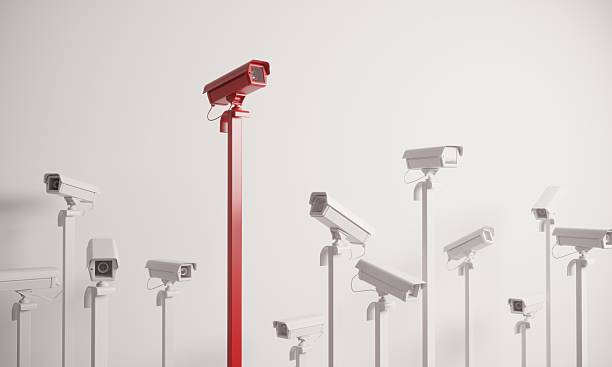
Security camera installation
For many property owners and managers, security camera installation is not only about adding surveillance equipment. It is part of a wider effort to improve visibility, reduce blind spots, and support faster responses when incidents occur. Whether the site is a home, office, retail outlet, or industrial facility, the effectiveness of a camera system depends on planning as much as hardware.
A camera setup that is installed without clear objectives may create gaps in coverage or collect footage that is not especially useful. That is why it helps to define the purpose of the system before choosing device types, camera positions, and storage options. Some properties need better entrance monitoring, while others may focus on stock areas, parking zones, or shared access points.
Start with the site’s actual risk profile
Before selecting equipment, it is important to understand where the main vulnerabilities are. Entry and exit points are usually a priority, but they are rarely the only concern. Internal corridors, payment counters, loading bays, and low-traffic areas can also present risk depending on how the site operates.
A proper assessment should look at how people move through the space, which areas need continuous visibility, and where lighting or obstructions may affect image quality. This stage is often overlooked, yet it can have the biggest influence on how useful the final system becomes. A well-positioned camera may be more valuable than adding more devices without a clear coverage plan.
Key factors that influence system performance
Image clarity is one of the first things people consider, but it is only one part of system performance. Storage capacity, remote access, recording reliability, and network stability all affect how well the setup functions over time. In some cases, the system also needs to integrate with alarms, access control, or central monitoring tools.
Another consideration is the balance between visibility and privacy. Cameras should support operational oversight without creating unnecessary intrusion into areas where monitoring is not appropriate. This matters for both compliance and user trust, particularly in workplaces or public-facing environments.
Ease of maintenance also matters. A system that is difficult to manage may lead to missed updates, inconsistent recording, or delays when footage is needed. Clear user access, dependable support, and straightforward controls can make daily use far more practical.
Why professional planning matters
A rushed setup may appear cost-effective at first, but poor positioning, incompatible devices, or limited storage can reduce long-term value. Professional planning helps ensure the system matches the layout of the site and the way the property is used each day.
It also supports better scalability. If the property expands, changes operating hours, or introduces stricter access requirements, the camera system should be able to adapt without needing a full replacement. Thinking ahead at the planning stage can prevent avoidable disruption later.
Conclusion
In practical terms, security camera installation works best when it is based on clear objectives, realistic risk assessment, and ongoing usability. The goal is not simply to place cameras around a property, but to create a system that supports better awareness and more informed responses. For organisations and property owners reviewing their options, exploring a professionally planned solution is a sensible next step toward stronger day-to-day security.